
Tier 3 Non-Tidal Monitoring
The CMC Non-Tidal Tier 3 Process is based on Virginia and Maryland regulatory decision making data used in their respective 303(d)/305(b) Integrated Reports. The CMC requirements are a summary of the individual state requirements to lay the foundation for the process and ensure data are compatible across jurisdictions, but Tier 3 determinations will defer to the individual state standards and requirements where monitoring is occurring.
Sample Collection
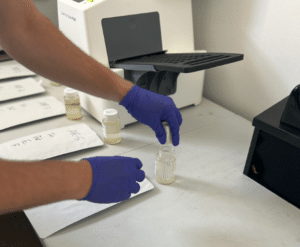
Tier 3 non-tidal water quality monitoring groups collect discrete samples using in-situ sensors or probes, and/or lab grab samples. Most programs use a combination of techniques to analyze a suite of parameters based on resources available. All equipment, technologies and sampling methods selected for this project are used to monitor baseline surface water conditions following the EPA volunteer monitoring methods for streams.
All Tier 3 programs must complete the following requirements:
- EPA/CBP or State approved program QAPP (approved every 5 years, updated annually as needed)
- Field Audit conducted by the State and/or CMC (every 5 years along with QAPP approval)
- Bacteria Lab Requirements – State approval (Virginia) or annual NSI laboratory proficiency testing (Maryland).
| Parameter | Data Requirements | State |
| Bacteria (e.coli and enterococcus) |
|
Virginia and Maryland |
| Dissolved Oxygen |
|
Virginia and Maryland |
|
Virginia | |
| Water Temperature |
|
Virginia |
| pH |
|
Virginia |
| Turbidity |
|
Maryland |
Monitoring Timeline
Each monitoring group participating has their own project timeline tailored to their specific monitoring program and data needs. Programs monitoring Tier 3 bacteria (E.coli and enterococcus) must sample at least weekly from May (Memorial Day) to September (Labor Day). Some groups extend their weekly monitoring season or couple weekly summer monitoring with monthly monitoring the rest of the year. All other Tier 3 sampling ideally occurs at least monthly year round.
Data Use
The primary intended data user for Tier 3 data is the monitoring group collecting the data. Each monitoring group submitting data to the CMC has their own defined data use goals based on the local interests and water quality concerns. Additionally, these data are used by the Virginia Department of Environmental Quality (VA DEQ) and the Maryland Department of the Environment (MDE) in their respective 303(d)/305(b) Integrated Reports.
MDE will assess Tier 3 data to list or delist waters (Category 2 or 5) in the Integrated Report, support attainment purposes, and contribute to the State data for Total Maximum Daily Load (TMDL) development. See the MDE Data Solicitation page for more information on MDE Tier 3 criteria.
VA DEQ will consider CMC Tier 2 and Tier 3 for inclusion in the Integrated Report at DEQ Level 2 and Level 3 respectively, but individual data points may be downgraded during analysis based on specific QA requirements. See the VA DEQ Citizen Monitoring Website for specific requirements.
Service Providers
The Alliance and UMCES facilitate the Non-tidal Tier 3 process in both Virginia and Maryland.
In Virginia, VA DEQ approves QAPP and conducts Field Audit for monitoring groups. In Maryland, all QAPPs are approved by EPA/CBP and Field Audits are completed by the CMC Team and MDE.
If you are interested in becoming a Tier 3 monitoring group, contact your CMC service provider to get started.